Gerard Galasso

Senior Product Designer, NYC

Senior Product Designer for complex financial products.

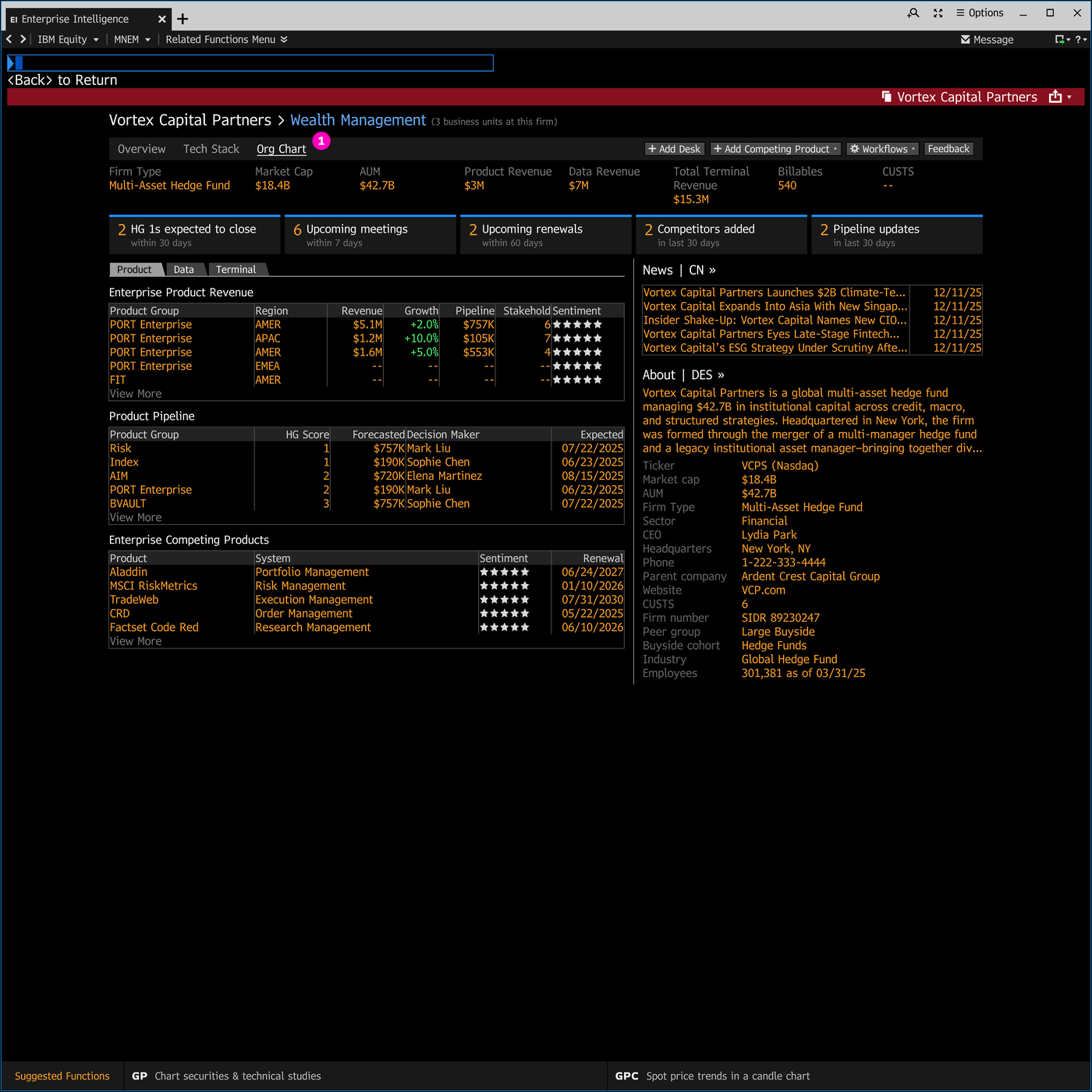
I was the senior lead product designer for Bloomberg's sales CRM. That is the internal product area the entire sales team uses to gather intel on prospective and existing client firms that rely on the Bloomberg Terminal and Bloomberg Enterprise products worldwide. Enterprise Intelligence is the sales information hub. Each firm has its own page that pulls scattered intel into one place. I owned that product area from a product design seat: strategy, research, design, delivery, stakeholder management, and engineering coordination, partnering with the sales product owners.

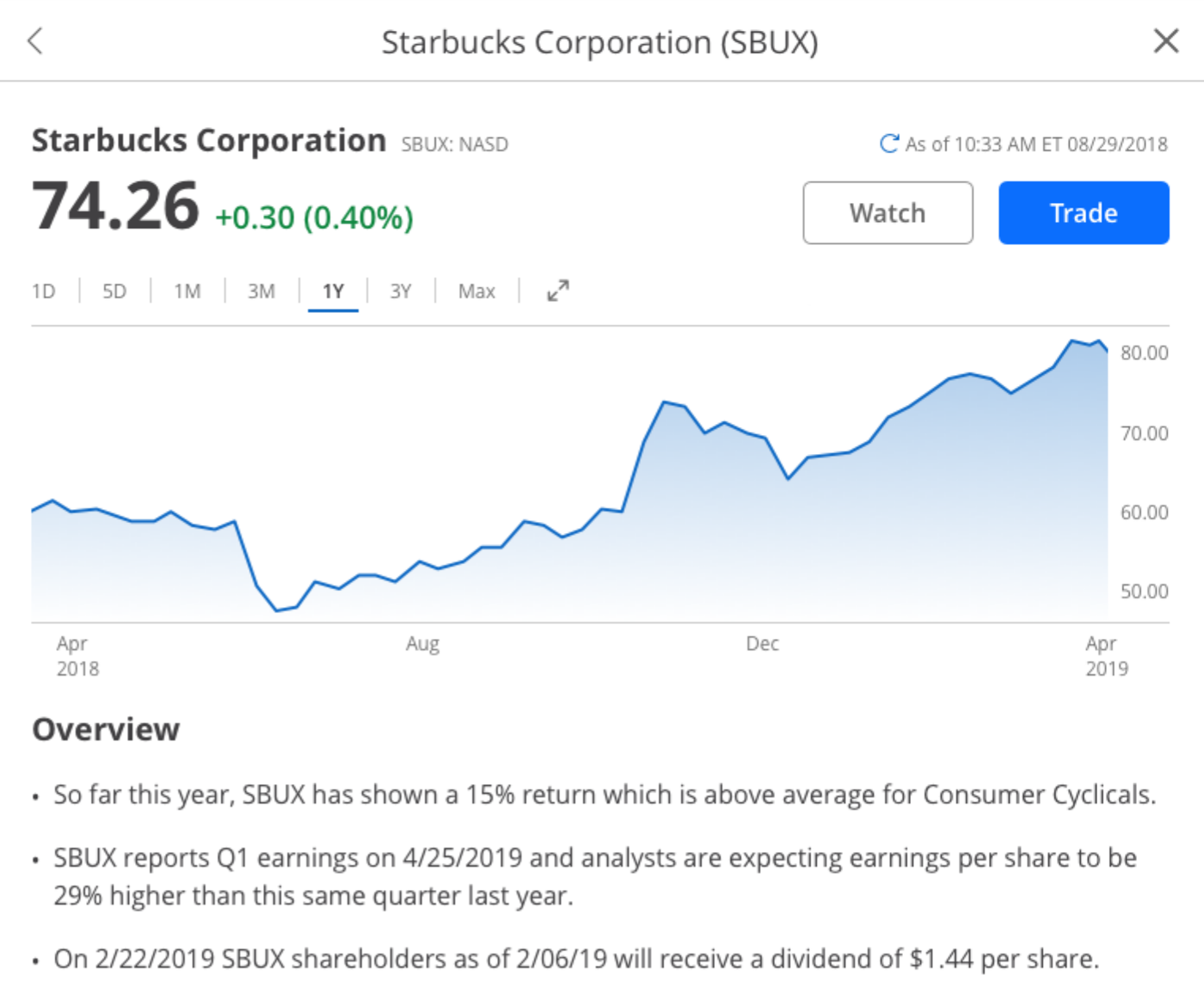
At JPMorgan Chase & Co. I owned the Markets design experience across web and mobile. Markets covered Quotes, news, watchlists, and analyst research. Quotes was the surface where the research and the redesign carried the most weight.

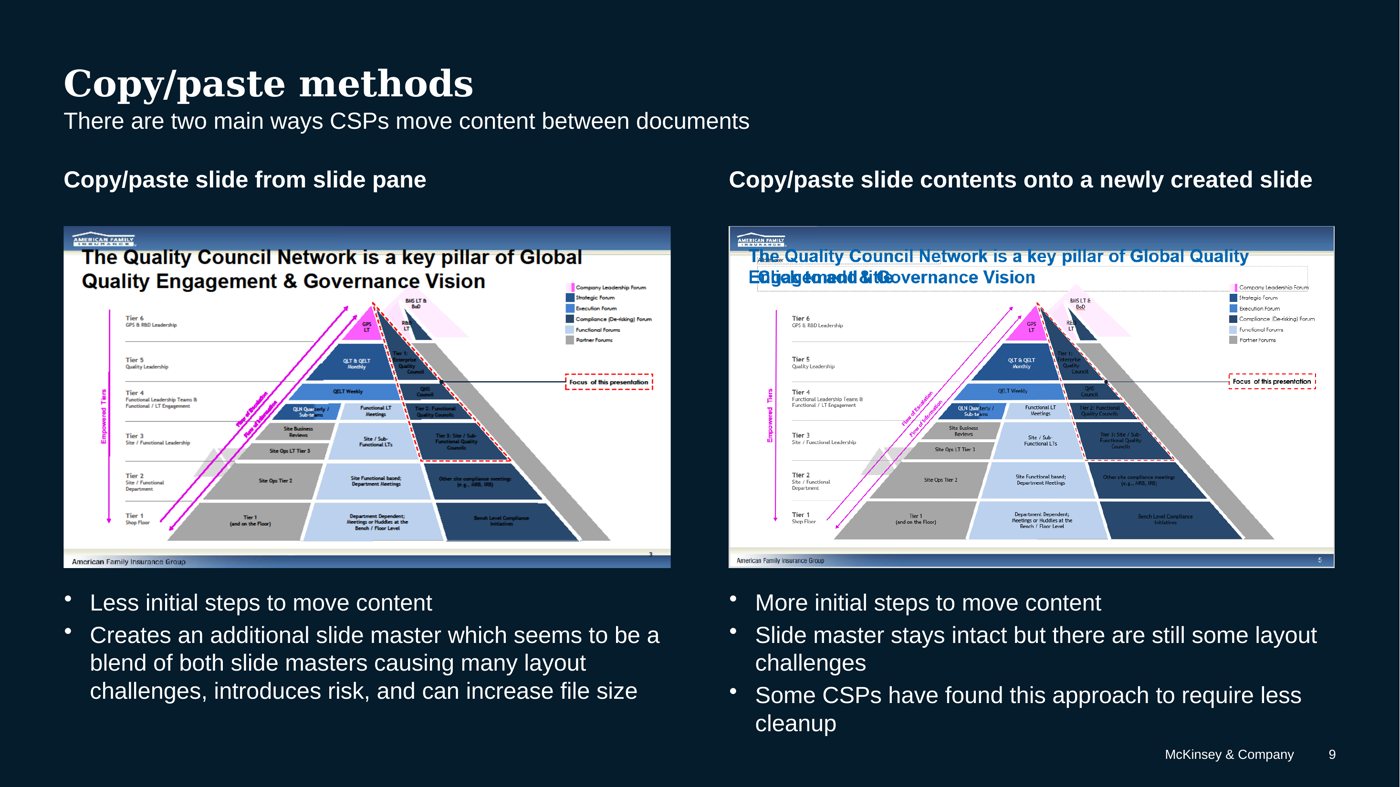
At McKinsey I was the sole product designer on a small Agile team building the custom PowerPoint plugins consultants use to turn strategy into client-ready decks.

Overview. Firm, product, pipeline.

Bloomberg Enterprise Intelligence

The client firm hub sales relies on

Role: Senior lead product designer, sales CRM

Dates: 2023 to 2026

Team: Sales product owners, Engineering, UX

Owned: Product design for the EI product area worldwide. Strategy, research, IA, design, specs, delivery, stakeholder management, engineering alignment.

Problem: Reps covering a prospective or existing firm rebuilt that account by hand. Pipeline and spend lived in old CRM tools that had never had UX attention. The rest lived in random CRM notes, offline Excel, and a conversation with whoever last owned the account, if that person was even reachable. Ramping a firm took too long. Simple facts were missing: which Terminal products they used, whether they were a Terminal user and what kind, and whether they held Bloomberg or competitor enterprise products.

Approach: Partner with sales product owners. Run workshops to distill the business goals that actually mattered for coverage. Lead research to validate user needs and pain points, including jobs to be done, before locking the IA.

Solution: An internal sales application that centralized firm intelligence on one page per client. Spend, pipeline, products, decision makers, and upcoming meetings sat in one place and were visible to the whole sales team. Tech stack added the usage lens: which products, how they were used, in which systems, for which workflows, and where a competitor showed up. It still did not answer who was using those products in depth, or who to call first.

Outcome: Reps could open one function instead of hunting through scattered, often stale sources. Time to get current on a firm dropped because the hub held the intel in one place.
Org Chart. Prototype. Fictional firm.

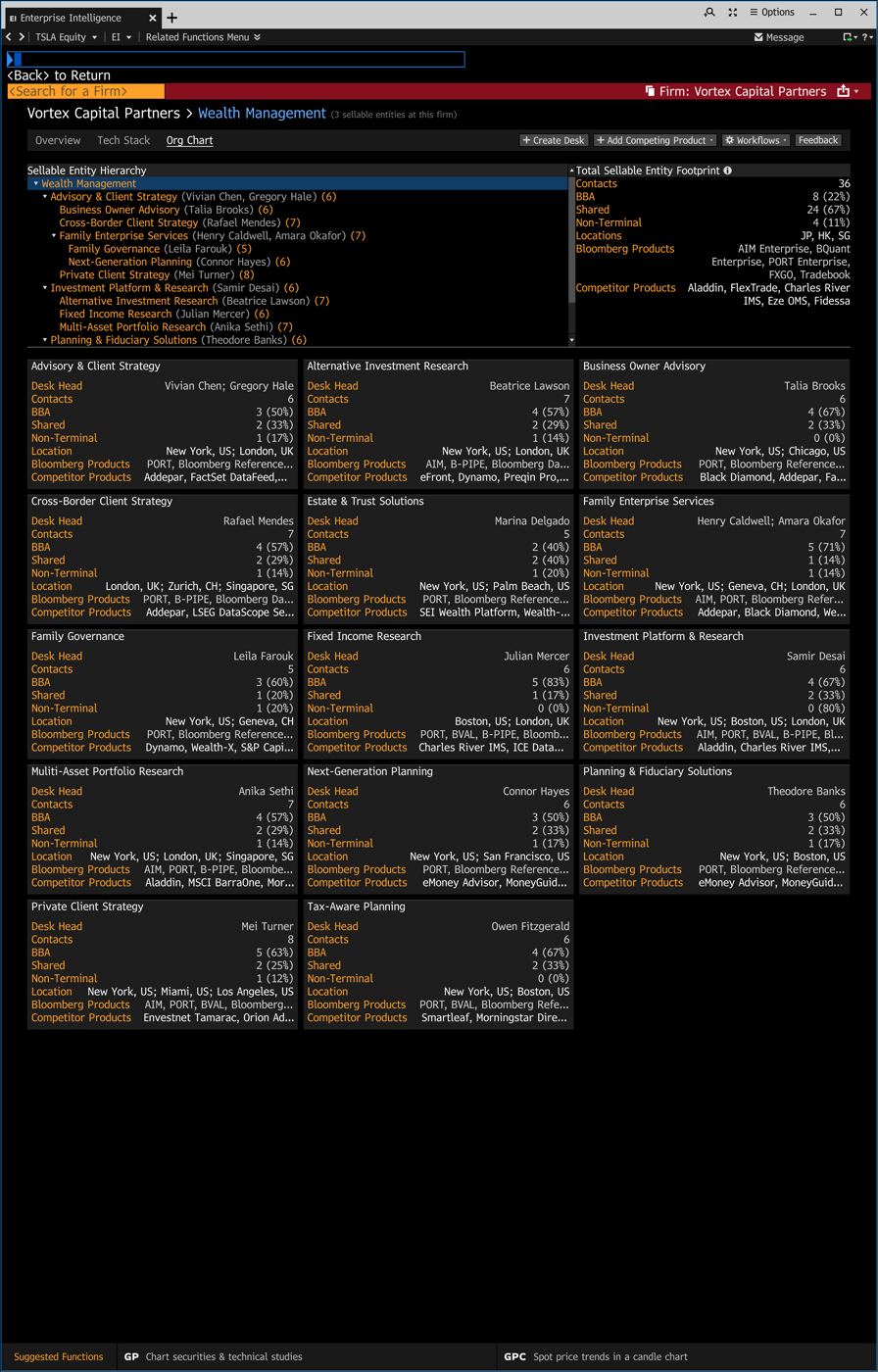
Bloomberg Org Chart

Who has the influence to buy

Role: Senior lead product designer, Enterprise Intelligence

Dates: Late 2025 to August 2026

Team: Product, Engineering, and me as the only UX

Owned: I pushed to prioritize Org Chart as an EI feature, then owned it end to end. Research, design, specs and annotations, scope, OKRs, success and usage metrics, daily and weekly alignment, stakeholder and engineering reviews.

Problem: Reps were talking to people on trading floors without knowing who could actually buy Terminal or enterprise products. Hierarchy, desk heads, reporting lines, and decision makers lived in old Terminal functions that had never had UX attention. Reps gave up on those tools and kept their own notes. That intel was not shared, not scalable, and walked out the door when a rep left. A new owner of the account started from scratch: which desks used which products, who ran those desks, and who could say yes.

Approach: Treat Org Chart as another lens on the same firm page, not another scattered app. Tech stack is the usage lens: what they use and how. Org Chart is the people lens: who uses it and who holds influence. Fold it into Enterprise Intelligence so a rep can switch from products to people without leaving the firm.

Solution: A hierarchy the sales team can read and keep current. Desks, groups of desks, who sits on the desk, who runs it, what they use, and where influence sits. One department level first, so Engineering could support the model and reps could actually maintain it.

Outcome: Product usage from tech stack now attaches to a name. Reps can build a coverage plan around the people who matter instead of rebuilding the firm from hallway conversations.